A car is not only a means of transportation, but also a companion that reflects the driver’s status. As the saying goes, “people judge by appearances,” and with a car this applies not so much to its class as to its cleanliness and overall presentation. To maintain an impeccable reputation, it’s important to keep your car clean, even if you’ve taken an auto rental in Kyiv.
How often should you wash your car?
At first glance, the answer seems obvious: if the car is dirty, it’s time to wash it. But it’s not that simple. In autumn or winter, a car gets dirty very quickly. Just a few kilometers in heavy traffic are enough for splashes from the wheels to soil the body, windows, and even the roof. Because of this, many drivers decide there’s no point in washing the car frequently — it’ll get dirty again anyway.
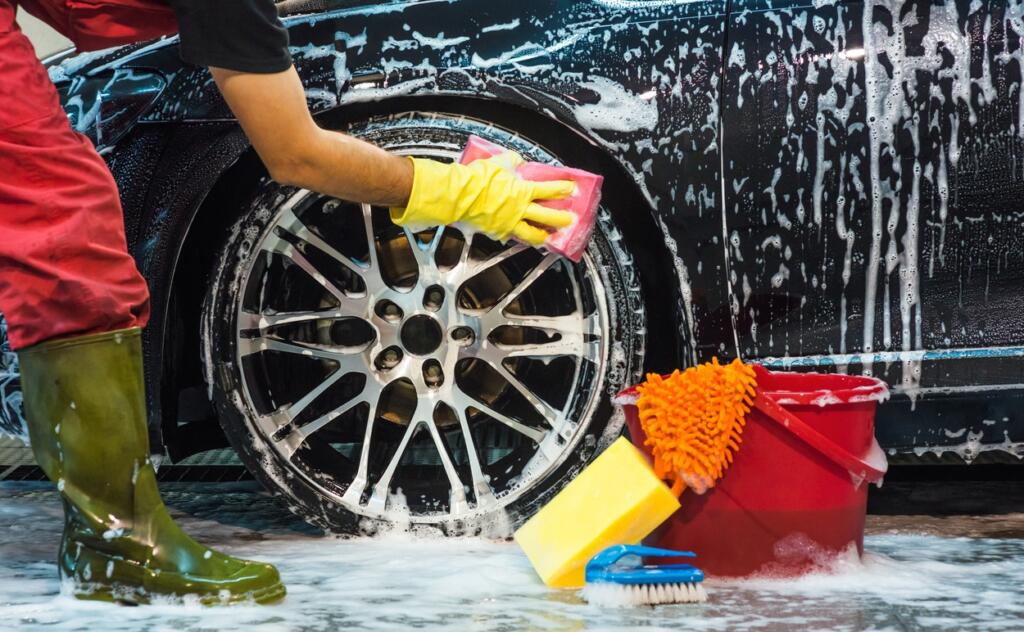
Regular washing is very important, even if there’s a good chance new spots will appear on the way home.
The following points argue in favor of visiting a car wash:
- Dirt shouldn’t accumulate. Even a single grain of sand can leave a scratch on the paintwork, so when there’s a significant layer of grime, one careless move is enough to scratch a large area of the body. By removing the buildup, you protect the paint.
- There are many de-icing agents on the roads in winter. Substances used to combat ice are harmful to the bodywork. Even if your car has good anti-corrosion treatment, over time, microcracks can appear where de-icers get trapped. If there’s a layer of dirt on top, constant moisture combined with salts becomes a hotbed of corrosion. All of this is easy to avoid by going to a car wash and cleaning the car, especially in hard-to-reach areas.
- The more dirt there is, the more effort it takes to remove it. Heavy contamination doesn’t come off easily, even with active foam, and you’ll end up scrubbing the body with a brush or wasting extra time on manual cleaning.
How to wash your car at a self-service car wash
Not all car owners use traditional car washes: some prefer to save money, and others don’t want to entrust their vehicle to a stranger. That’s why self-service car washes — where you can affordably clean your car using special products — are so popular today.
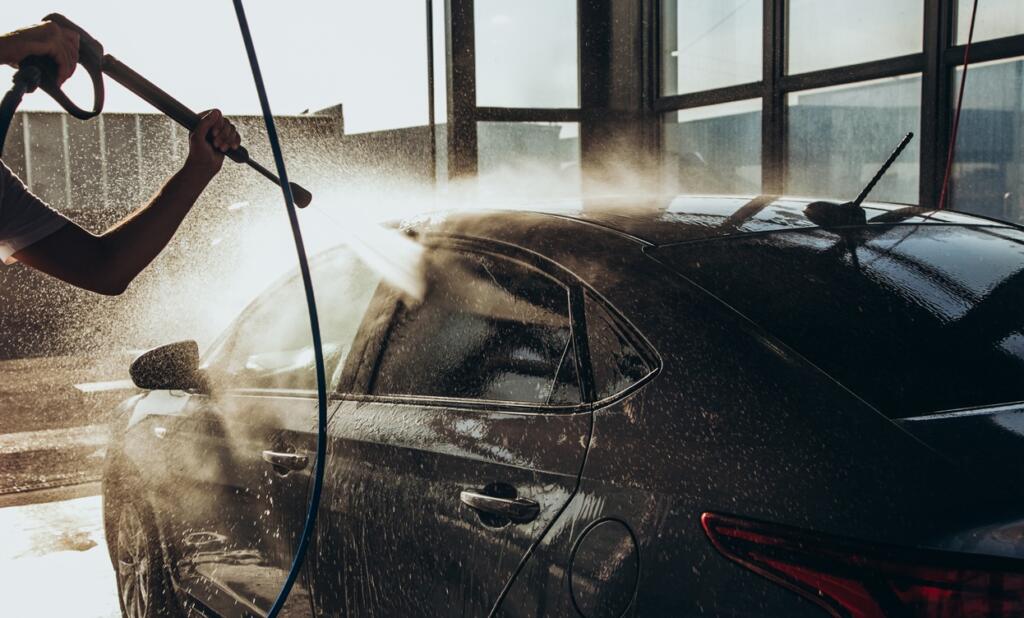
Follow our algorithm and you’ll clean your car better than any professional:
| Step | Action | Recommendations & notes |
|---|---|---|
| 1. Vehicle prep | Remove large debris | Inspect the radiator grille, air intakes, wipers, and wheel arches. Remove leaves and clumps of dirt by hand so they don’t interfere during washing. |
| 2. Pre-rinse | Rinse the body with water (cold or hot) | Water washes away dust and small debris and softens grime. You can use a pressure washer to remove thick layers of dirt. |
| 3. Apply shampoo or foam | Cover the body and wheels with cleaning solution | Apply from bottom to top so the foam stays on the surface longer. Be sure to treat the sills. Don’t overuse product — excess foam will simply run off. |
| 4. Dwell time | Wait 2–3 minutes | Let the product work. Don’t scrub the body with the bay’s brush — sand in the bristles can leave scratches. You can gently spot-clean with your own sponge. |
| 5. Rinse off contamination | Rinse off dirt and foam with water | Use cold water, holding the nozzle 15 cm from the surface. Rinse from bottom to top — it’s more effective and helps you spot missed areas. |
| 6. Final rinse (Osmosis) | Rinse with demineralized water | Use the “Osmosis” mode and rinse from top to bottom, keeping the nozzle about 30 cm away. This water leaves no streaks after drying. |
Since reverse-osmosis water doesn’t leave streaks or white spots, drying the body after washing isn’t mandatory. However, to keep it clean longer, it’s better to let surfaces dry completely or speed up drying with a clean towel.
How to wash your car at home
If a self-service car wash is far away or you prefer not to use one, you can wash your car yourself.
You probably won’t have a pressure washer at home, but you can substitute a garden hose or simply use plenty of water.
To get your car clean without scratching the paint, follow this simple guide:
- Choose the right time and place. Washing a hot body panel is ineffective because water evaporates quickly, so let the car sit in the shade for at least an hour.
- Remove leaves and large clumps of dirt so they don’t interfere with the wash.
- Soak the car with plenty of water. A strong hose stream will rinse away dust, sand, and other contaminants that could scratch the paint. If there’s no hose, pour water from a bucket from top to bottom — generously.
- Start washing with a cleaning solution or dedicated car shampoo, following the label instructions. Many drivers use two sponges: one for the glass and upper body, and another for the lower, dirtier sections.
- Keep the sponge clean so dirt doesn’t build up on it. After each section, rinse it under running water or in a separate bucket.
- After washing and rinsing off the shampoo, dry the surface. Regular water leaves streaks, so it needs to be removed. Microfiber towels and soft rubber squeegees work well.
For a “finishing touch,” clean the interior side of the windows with a dedicated product. Don’t forget to air out the cabin well so alcohol or fragrance odors don’t bother you on the road.
When and how should you clean the interior?
Of course, for comfort and image, not only the exterior matters — the cabin’s condition is important as well. The interior usually gets dirty gradually, but there comes a moment when getting into the car is simply unpleasant.
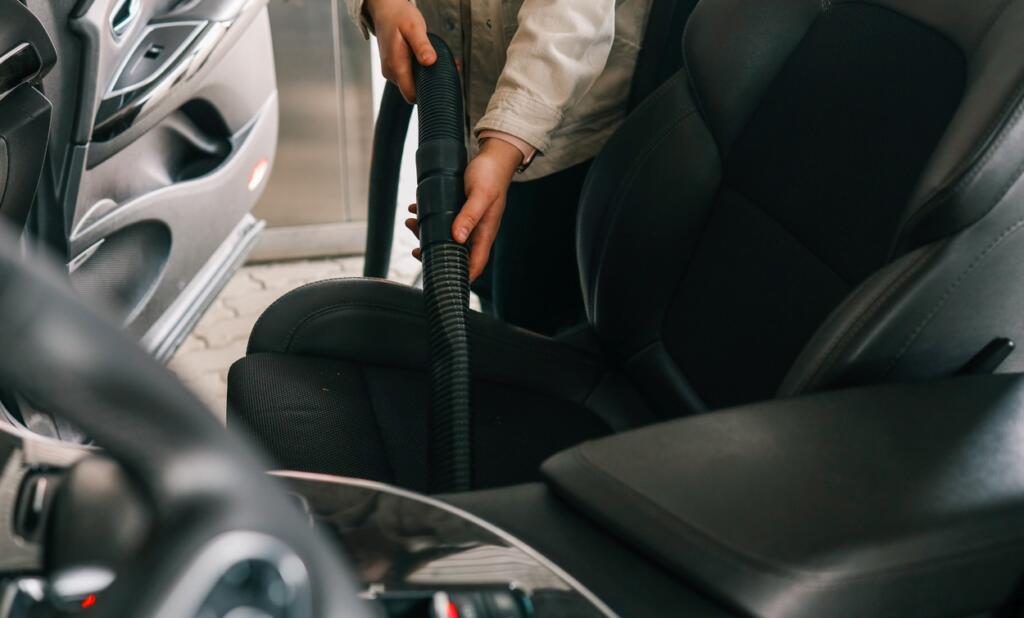
To keep things from getting out of hand, we recommend wet-cleaning plastic and leather surfaces at least once every two weeks. If you stick to this schedule, the cabin will always feel fresh and pleasant.
Wet cleaning is straightforward, but don’t forget about vacuuming. It helps remove not only visible dirt but also dust hidden in the most hard-to-reach places.
Here are some useful tips for vacuuming:
- Cleaning frequency. With active use, it’s helpful to vacuum at least once a month. If you drive on dirt roads, monitor the level of contamination and vacuum as often as needed.
- Equipment. In practice, the most effective option is the powerful vacuums at self-service car washes — they remove dust very well. If that’s not an option, use a home vacuum with a crevice nozzle or a dedicated car vacuum. There’s more dust in the cabin than it may seem, so empty the dust container before you start.
- When to vacuum. Ideally, vacuum after washing and drying the exterior. Since cleaning stirs up dust, you can do the wet interior wipe-down and inside glass cleaning afterward.
- Technique. First remove mats, covers, and other overlays to clean them separately. Go over each area with overlapping passes. Then lightly tap the surfaces with a carpet beater or a suitable tool, and vacuum again to remove dust embedded deep in seats and carpeting.
A personal car is a privilege — but it should be kept presentable. If you need a status vehicle for an important meeting, a date, or an unforgettable weekend, rent a car from RentDrive. You’ll get a perfectly cleaned, sparkling vehicle you won’t want to leave.