A winter long-distance trip is not about comfort and not about “hoping for the best.” It is a managed set of risks: technical, financial, and time-related. Low temperatures, worn infrastructure, and changeable weather conditions increase the cost of any mistake. Below is a practical breakdown that helps you make a rational decision: prepare your own car or choose a car rental from RentDrive in Kyiv.
What must be checked in a car before a long winter trip?
Before setting off in winter, it’s not the vehicle’s general condition that matters, but specific components whose failure can lead to a breakdown on the highway.
- Battery and starting system
At −10 °C, a battery can lose up to 30% of its capacity. If the battery is more than three years old, the risk of a no-start after overnight parking becomes systematic. The starting current, terminal condition, and alternator operation should be checked.
- Tires and pressure
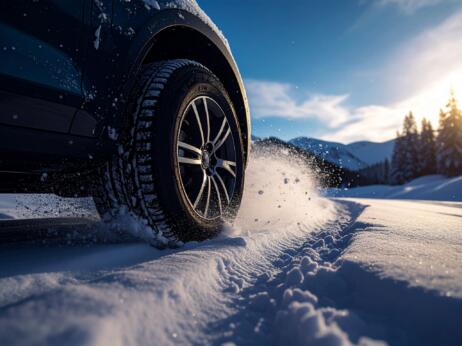
Winter tires are not a formality. The minimum acceptable tread depth for a long trip is 4 mm. Tire pressure should be checked on cold wheels: in sub-zero temperatures, it drops, reducing handling stability.
- Braking system
Moisture, road chemicals, and temperature fluctuations accelerate wear. Check brake pad thickness, disc condition, and brake fluid level.
- Coolant and engine oil
Antifreeze must be rated for at least −30 °C. Engine oil should meet the manufacturer’s winter specifications. Incorrect viscosity increases engine wear during cold starts.
What tools and consumables are essential in winter?
Even a technically sound vehicle requires a minimal emergency kit in winter. It doesn’t add comfort, but it reduces the consequences of unexpected stops.
| Item | Practical purpose |
|---|---|
| Jumper cables | Starting the engine with a discharged battery |
| Ice scraper and brush | Cleaning windows, headlights, and mirrors |
| Washer fluid (winter) | Maintaining visibility on the road |
| Tow rope | Assistance if stuck or skidding |
| Warm blanket, thermos | Waiting for help during a stop |
Why is car rental often more выгоднее than using a personal car in winter?
From an economic and risk-management perspective, renting a car in winter means shifting responsibility for technical readiness to the rental company.
| Parameter | Personal car | Car rental from RentDrive |
|---|---|---|
| Technical condition | Depends on the owner | Regular maintenance |
| Winter tires | Additional expense | Included |
| Breakdown risk | Financially, on the owner | On the rental company |
| Cost predictability | Variable | Fixed |
For the driver, this means a clearly defined trip cost in advance, without the risk of sudden expenses for repairs or towing.
When is renting a car in Kyiv more rational than preparing your own?
Car rental becomes a logical choice in three scenarios:
- Infrequent long-distance trips — maintaining a personal car for just a few trips per year is economically inefficient.
- No winter setup — buying tires and servicing costs more than renting.
- Need for reliability — the trip does not allow delays, rescheduling, or technical surprises.
What should you look for when choosing a rental company?
Key factors are transparent rental terms, clear insurance coverage, the technical condition of the fleet, and customer support.
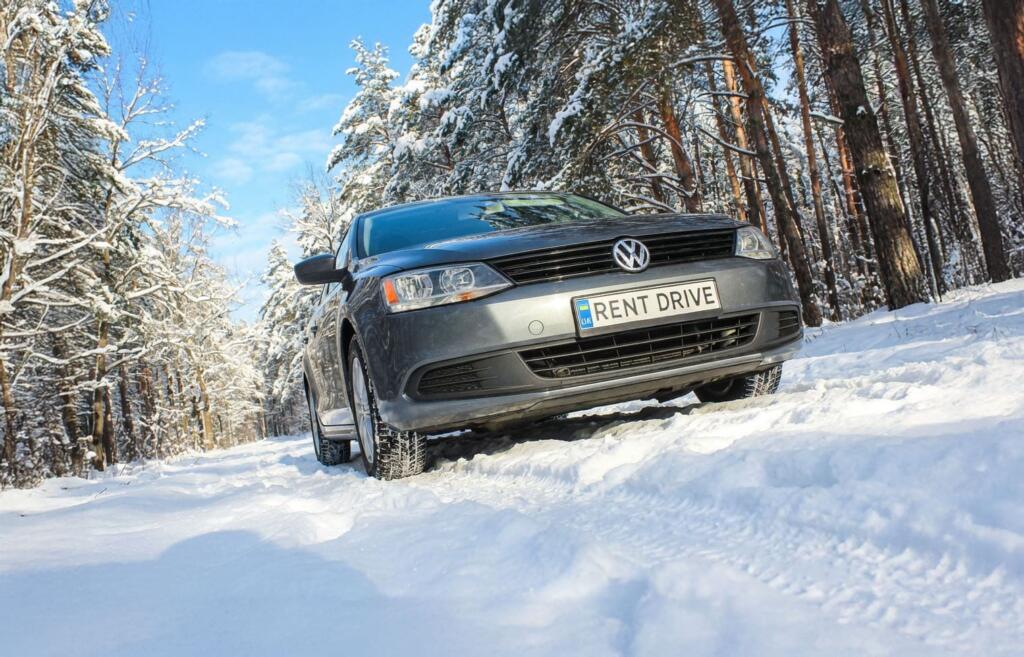
RentDrive operates under a model in which winter risks are addressed in advance: vehicles undergo regular maintenance, are equipped with seasonal tires, and rental terms include no hidden fees. This is especially important for trips outside the city or between regions.
Practical winter pre-trip checklist
- Battery and starting system checked
- Winter tires installed with sufficient tread depth
- Full fuel tank
- Cabin heating and windshield wipers working
- Winter kit and warm clothing in the trunk
What really reduces the risks of a winter journey?
Not confidence, but control and predictability. For some, this means thorough technical preparation of their own car. For others, it means renting a car where these tasks are already handled professionally.