European cities have been actively introducing Low Emission Zones (LEZ) and Ultra Low Emission Zones (ULEZ) over the past 20 years — areas where access is restricted to vehicles with low emissions. The model is simple: transport with a class below a certain standard is either not allowed to enter or must pay a high charge.
For Ukraine, the issue of adapting to these standards has become relevant due to European integration, growing car imports, and environmental pressure on large cities. Kyiv, Lviv, and Dnipro are already recording excess air-pollution levels, and municipalities are discussing the introduction of environmental control zones.
What does the European model of low-emission zones look like?
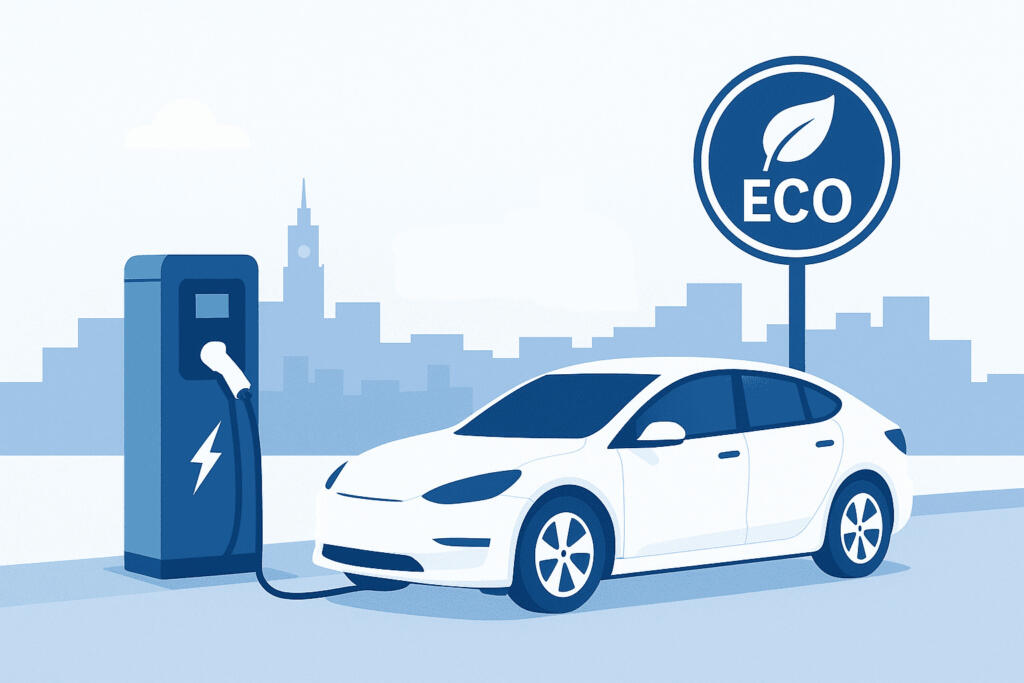
LEZ areas regulate vehicle access based on Euro 1–6 standards, vehicle type, and fuel type. Stricter ULEZ zones penalise even new diesel cars if their emissions exceed the permitted limits.
- Reduction of air pollution by 10–25% during the first year.
- Renewal of the vehicle fleet — older cars are naturally pushed out.
These zones appear where heavy traffic coincides with dense development and weak air circulation — a classic example of a city centre.
Is Ukraine ready to implement low-emission zones?
Ukraine is objectively at an early stage of environmental modernisation of transport. At the same time, the legal framework is gradually changing — the Ministry of Infrastructure is considering European models as a benchmark.
- a low share of electric transport;
- a lack of air-monitoring stations;
- no automated system for access control by licence plates.
Nevertheless, demand for more environmentally friendly cars is growing. Imports of electric vehicles increased by 52% over the past year, and hybrids are becoming the corporate standard.
What environmental regulation scenarios may appear in Ukraine?
Over the next 3–5 years, cities may go through three stages of adaptation:
| Stage | Mechanism | Expected effect |
|---|---|---|
| Voluntary low-emission zones | Restriction of access for old diesel vehicles | Testing the model without penalties |
| Paid entry zones | Charging vehicles below Euro 4 | Traffic reduction + incentive to renew vehicles |
| Total ban according to Euro standards | Implementation of control systems similar to the EU | Formation of a new standard vehicle fleet |
These steps may first affect the centre of Kyiv, the historic districts of Lviv and the business areas of Odesa.
What benefits can municipal economies gain?
- growth of tourist traffic in cleaner areas;
- reduction of healthcare costs;
- improvement of cities’ investment attractiveness.
For Ukraine, this is an opportunity to mitigate the consequences of intensive car traffic and improve the quality of the urban environment without major capital investment.
How will low-emission zones affect private car owners?
Restrictions usually affect cars older than 20 years or diesel models up to Euro 4. Thus, the main impact will be on those who use low-cost imported cars.
The problem is aggravated by the fact that the average age of cars in Ukraine exceeds 15 years. The introduction of low-emission zones will accelerate the renewal of the fleet but create short-term costs for owners.
How can the corporate sector adapt?
Corporate fleets usually respond to changes more quickly. Companies are switching to hybrids, reducing the number of personal cars and choosing RentDrive car rental in Kyiv as a replacement for their own fleet.
The advantages of the rental model:
- no investment in purchasing cars;
- the ability to choose eco-friendly models (hybrids, EVs);
- a transparent budget;
- no risks related to maintenance, insurance and depreciation.
What impact could the introduction of LEZ have on the car rental market?
The rental market is one of the first segments to react to low-emission zones. RentDrive is already updating its fleet to meet European standards by adding low-consumption and hybrid vehicles.
For tourists and foreign visitors, this creates an obvious advantage: there is no need to study Ukrainian emission regulations — the car rental company provides a vehicle that already meets the requirements.
| Parameter | Private owner | Car rental from RentDrive |
|---|---|---|
| Responsibility for compliance with environmental standards | Fully on the owner | Fully on the company |
| Vehicle renewal | Depends on the owner’s budget | Regular fleet renewal |
| Risk of fines for entering a low-emission zone | High | Minimal |
| Variety of choice | Limited | Wide range of classes and engines |
Which environmental standards are most likely for Ukraine?
Expert models point to three formats that Ukraine can implement in the medium term:
- Euro 4 standards as the minimum threshold for access to the centres of large cities.
- Entry charges for diesel cars below Euro 5 — a soft adaptation to ULEZ.
- Creation of green corridors for electric and hybrid vehicles: parking benefits, permissions to use dedicated lanes.
How should private and corporate users prepare?
For private car owners, adaptation will require analysis:
- whether the vehicle class complies with Euro standards;
- whether an engine upgrade or replacement is needed;
- assessment of the risk of fines in specific zones;
- switching to hybrids or electric vehicles.
Corporate users should review the structure of their fleet in advance or fully switch to rental as a more flexible tool.
Why is RentDrive becoming part of the solution?
Renting a car in Kyiv through RentDrive allows the user not to worry about environmental restrictions. The company is already adapting its fleet to European requirements and building a line of vehicles optimised for future emission standards.
Advantages:
- hybrid and fuel-efficient models;
- regular maintenance and emission control;
- no risk of non-compliance with technical standards;
- the possibility of long-term rental for businesses.
For clients, this reduces financial risks and removes the need to constantly monitor regulatory changes.
In these conditions, car rental becomes a flexible tool that allows people to drive without risking violation of environmental norms. RentDrive.ua is already preparing its fleet for future requirements and is becoming a partner that assumes regulatory and technical risks on behalf of the client.