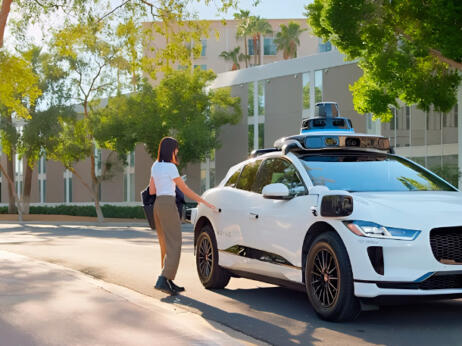
The car-sharing market in Ukraine is growing faster than the traditional car rental market. This acceleration is driven by urbanization, changing consumption models, and the rising cost of owning a personal vehicle. But as the market expands, tension also increases: higher risk levels, regulatory gaps, and user behavior create new demand for transparent services. For companies operating under the traditional model, such as RentDrive car rental, this opens a window of opportunity — customers are returning to predictability, safety, and support.
Why is car sharing growing faster than traditional rental?
The rapid growth of car sharing is explained by its low entry threshold: registration takes just a few minutes, and customers pay only for actual usage time. This format is highly demanded in large cities, where people value flexibility and the absence of long-term commitments.
What type of demand is formed by the modern Ukrainian user?
Users can be conditionally divided into three groups:
- those who need transport “on demand” — maximum simplicity;
- residents of large cities for whom a car is a tool, not an asset;
- corporate clients for whom cost transparency and vehicle reliability are critical.
A shared requirement for all groups is risk minimization. And here, car sharing reveals its weak points: lack of driving-style control, account anonymity, high fleet turnover, frequent damage. These issues drive a growing demand for traditional rental.
What safety problems does car sharing create?
Safety concerns are becoming the main barrier to car-sharing growth. Telematics data from one of the markets shows that the level of aggressive driving in car sharing is 3–5 times higher than in rental. This is due to a lack of personal responsibility: vehicles are used frequently for short periods, with little long-term consequence.
Main threats include:
- harsh acceleration and braking;
- increased tire and suspension wear;
- minor damage without proper reporting;
- attempts to use accounts by unauthorized persons;
- minimal human interaction with the service.
These risks push quality-oriented clients back toward traditional rental, where control is higher and responsibility is clearly defined.
How does car sharing differ from rental in key parameters?
| Parameter | Car Sharing | Traditional Rental (RentDrive) |
|---|---|---|
| Usage time | minutes–hours | days–weeks |
| Customer responsibility | blurred | personal |
| Vehicle control | minimal | telemetry, regular inspection |
| Damage risk | high | reduced through control |
| Support | limited | 24/7 |
| Trip format | short city routes | intercity, tourism, business |
What regulation does Ukraine need?
Car sharing is growing faster than the legal framework is evolving. Legislators need to address three key tasks:
- digital user identification through state systems;
- unified standards for telematics and driving-style monitoring;
- automatic assignment of responsibility for violations.
How is the shared mobility market developing?
Carpooling in Ukraine has grown due to fuel costs and increasing mobility. It covers regular intercity routes. Car sharing — intra-city needs. Rental — long-distance trips.
| Indicator | Car Sharing | Carpooling | RentDrive Rental |
|---|---|---|---|
| Average trip cost | 130–190 UAH | 150–350 UAH | depends on tariff, optimal for daily+ use |
| Route type | urban | intercity | any |
| Responsibility | low | shared | personal |
| Comfort | basic | medium | high (new vehicles) |
For tourists, foreigners and corporate clients, rental remains the preferred option: lower risks and predictable expenses outweigh “urban flexibility.”
How will the economics of vehicle usage change?
The economic model of car sharing is based on high fleet turnover. The more frequently a car is used, the greater the wear and maintenance cost. Therefore, the average operational load in car sharing is significantly higher.
Average market indicators:
| Indicator | Value |
|---|---|
| Average trip duration | 20–35 minutes |
| Damage per 1,000 trips | 28–40 cases |
| Average income per vehicle | unstable |
| Vehicle maintenance cost | 35–50% higher than rental |
RentDrive car rental uses the opposite model: long trips, low driver turnover, transparent rules. This increases the lifespan of vehicles and ensures stable utilization.
Why does traditional rental outperform car sharing in the corporate segment?
Corporations require:
- documentation;
- transparent reporting;
- unified terms;
- predictable technical condition.
Car sharing does not meet these requirements. RentDrive offers them as a standard: a young fleet, telemetry, insurance, bilingual support, and a dedicated manager. This reduces operational risks and saves time.
How will the car-sharing market in Ukraine develop by 2027?
The trend is clear: the market will split into two models. • Car sharing — fast and convenient mobility within the city. • Rental — for those who need control, responsibility, and stability.
RentDrive wins thanks to system-based operations:
- new vehicles;
- clear insurance policy;
- telemetry;
- verified technical history;
- 24/7 support.
Against the backdrop of chaotic car sharing, this model provides customers with the most important thing — predictable results. And the market will value this more and more.